
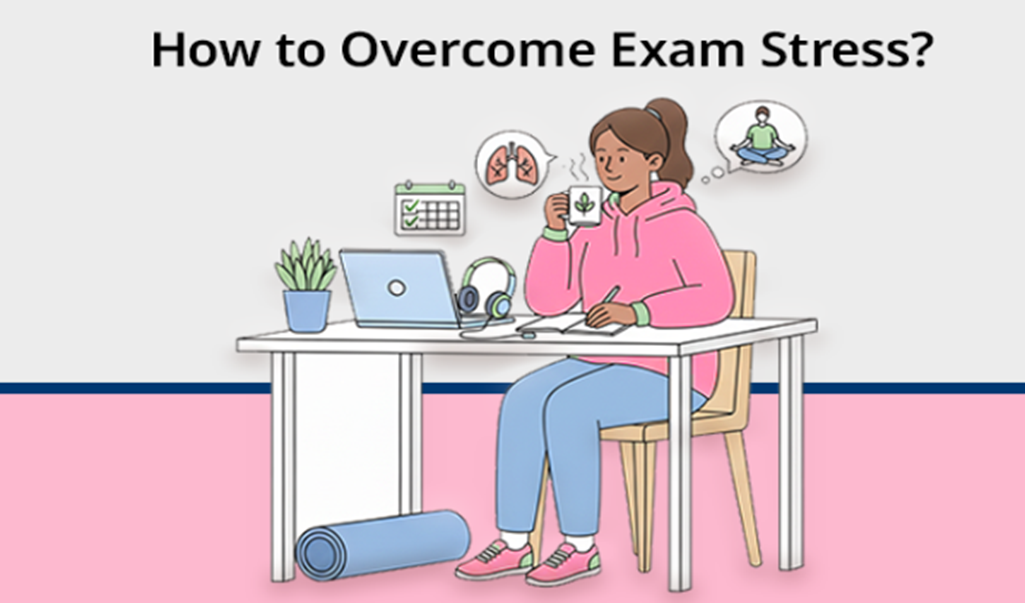
By Proper planning, healthy habits and with a positive mindset student will prepare for exam effectively and without stress. This blog completely explains how to overcome your exam stress.
What is Exam Stress?
Exam is important part of student life. Every student experience exam and due to which he/she may feel nervous or pressured before exam. Exams are important but they should not harm student mental health. Exam stress is a kind
of temporary pressure felt by students due to academic evaluation or fear of failure. It’s a “fight-or-flight” response triggered by your nervous system.
Causes of exam stress: –
Some main causes of exam stress are:
- too much syllabus
- a kind of pressure
- Fear of failure (Student stress that they may fail)
- Not doing enough Preparation for exam
- Family or Teachers Expectations
And many other reasons for the causes of stress
Effects of Exam stress: –
Sometimes we took stress of exams and due to which we can’t focus on studies and can’t concentrate properly on studies. This a common factor belonging to all students whom are facing exam stress. They can’t get proper sleep because their brain always remains awake due to stress and their body remain tired and uncomfortable for not getting enough sleep. This led to Headaches and Lack of confidence.
How to overcome Exam stress?
There are some points through which you can overcome exam stress
The points are given below: –
1. Practice for being Calm/Relaxed: –

Use Mediation, yoga to stay calm or deep breathing. Think positive that you will not fail in exam and clear it with good remarks. Stay in the “Logic zone” rather than “Panic zone”. Think logically like engage in an activity that brings you pleasure and also think smarter not harder. Feel better from a phycological point of view.
2. Plan your studies: –
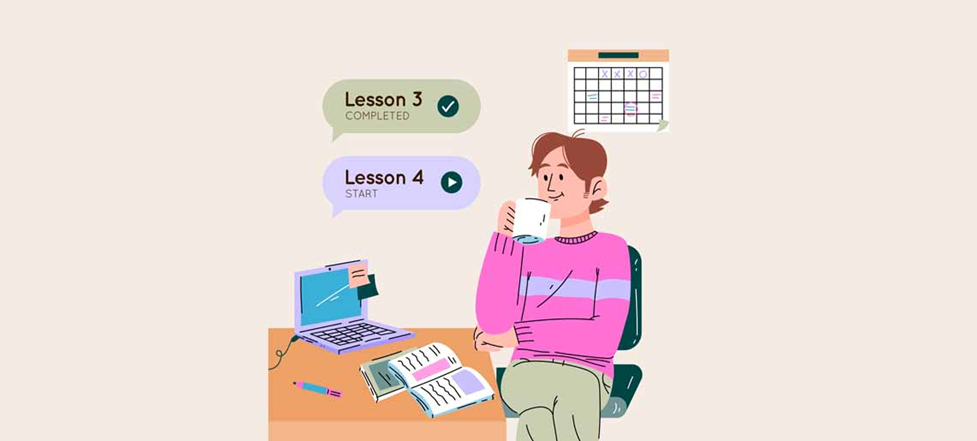
Firstly, create a clear schedule to avoid last minute stress.
Stress comes from an undefined pile of work, so break it into pieces so that your brain can take it easily and felt relaxed.
Plan a study schedule with breaks including of 30 minutes after each 3 hours of work and stay consistent. So that your brain became relaxed. Take a short break like drinking water, walking or eating some snacks.
3. Avoid Distractions: –
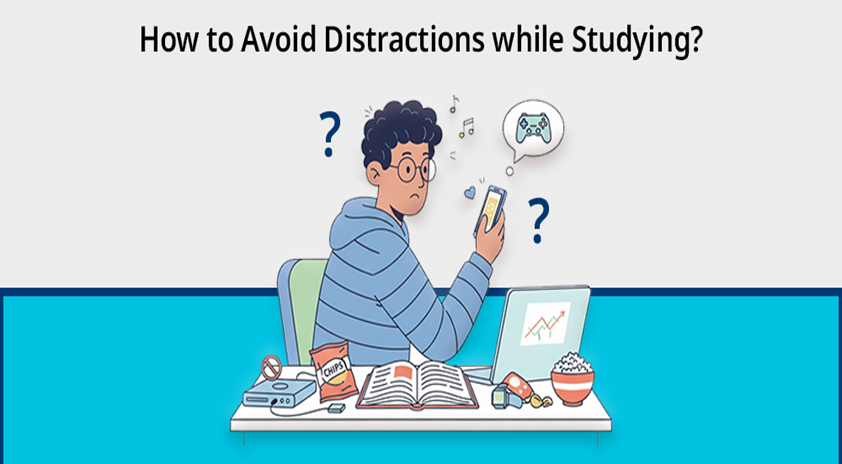
Concentrate on your studies rather than focus on your devices. Put your phone on silent or put it away from your study place and if required use airplane mode, or put it onto Do not disturb mode. Your brain cannot focus for many hours so first:
Focus for 1 hour completely on studies putting distractions away.
Then take a short break of about 20-30 minutes so that your brain remains fresh and reduces stress.
4. Stay Active & Exercise Regularly: –

While these seem similar, but remain active and do exercise daily as it’s your dedicated training.
Boost Cognitive Function: –
Physical activity or exercise increase your flow of blood to brain which can improve memory and mental health. Exercise release endorphin – which act as stress-fighter and is important during exam
5. Proper sleep: –
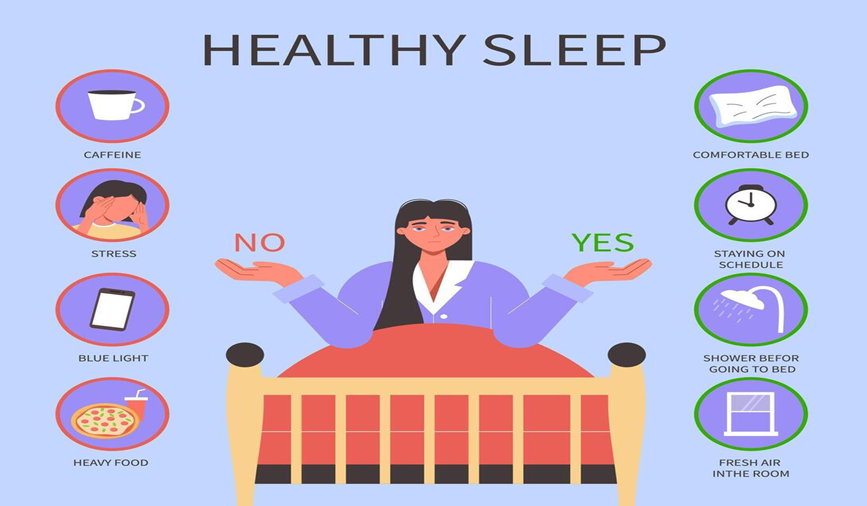
Sleep isn’t about “Time off” but it’s when your brain functions and stores what you learn the whole day.
- Memory Consolidation: –
Your brain act as a saver during your sleep.so When you sleep your brain transfer your information from short-term memory to Long-term memory.
- Do and Don’t: –
Here are some do and don’t that you have to follow for a better sleep.
The 7-9 Hour Rule: –
Aiming for this range ensures you move through all necessary sleep cycles like REM that is important for creative problem solving. Also, when you fell asleep your brain relaxes your whole body(muscles) and helps body repair, regain energy and act as restorative control center of body.
Staying on schedule: – Focus the same time table as you aregoing to your bed daily and makeyourself consistent on time management. And stay on schedule.
Avoid Blue light: –
Try to turn your screen off like your mobile, TV, Laptop, computer screens before bed. Because they have blue light which are not good for health. And if you didn’t turn off blue light mimic’s sunlight and can turn your brain into staying awake. Which led to uncomfortable sleep and due to this your body can’t recover or regain energy properly.
Caffeine: –
Say no to caffeine before bed, because it stimulates your brain and stays you awake. There is a chemical called adenosine in your brain that makes you sleepy, caffeine stops the chemical to produce like it blocks the chemical so you don’t feel any tiredness even when your body need to rest.
Healthy Diet: –
Make your diet healthy and avoid junk food. Because junk food has high sugar or fat which causes indigestion making you uncomfortable and restless making it hard to sleep.
Avoid eating anything 2 hours before going to bed. Because if you eat before bed, it causes your stomach to start digesting your food which can cause acid reflux or stomach discomfort.
6. Practice exam daily: –

Practice exam helps you knowing what you don’t know before the stakes are high. Prepare your mind according to the schedule you made and start studying for about 2 hours consistently each book. It is far better than doing nothing.
When you do something, it slowly overcomes your stress because you know now you have something in your mind which you can write in exams and get good marks.
Taking practice tests at intervals like on weekends.
And try to take a full exam like test of yourself to prepare yourself according to exam and help to reduce exam day anxiety.
Conclusion: –
Exams are important but they should not affect the student’s mental health. But with proper strategies, planning, healthy diet and habit, better sleep and positive mindset student can prepare for exam perfectly and without stress