

Introduction
Scoring the highest marks in exams is not only about studying for long hours. Many students work very hard but still do not achieve the results they expect. The real secret behind top marks is studying with the right strategy, discipline, and understanding. When a student plans properly, studies with focus, and manages time wisely, success becomes much easier. With the right habits and a positive mindset, any study.
Make a Clear Study Plan
The first step toward academic success is creating a proper study plan. Without planning, students often waste time deciding what to study next. A well-organized timetable helps divide subjects according to priority and difficulty. Difficult subjects should be studied when the mind is fresh and active. A study plan also prevents last-minute stress because every topic gets enough time before exams.ent can improve their academic performance and aim for the highest marks.
Understand Instead of Memorizing
Understanding concepts is far more powerful than simple memorization. Students who only memorize information may forget it quickly, especially during exams. When a topic is understood deeply, it becomes easier to explain it in your own words. Try to focus on the meaning of the topic and ask questions such as “why” and “how.” This habit improves thinking ability and helps in answering complex questions confidently.

Achieving the highest marks is not only about intelligence but about dedication, planning, and smart study habits. Students who understand concepts, revise regularly, practice past papers, and maintain a healthy routine are more likely to succeed. With discipline, confidence, and consistent effort, any student can improve their performance and move closer to academic excellence
Regular Revision is Essential
Revision is one of the most important habits for achieving high marks. Studying a topic only once is usually not enough to remember it for a long time. A good method is to revise the topic within 24 hours after studying it. Later, review it again after a few days and once more before the exam. This repeated practice strengthens memory and makes recalling information easier during tests
Make Short and Useful Notes
Good notes make studying much easier. Instead of copying long paragraphs, try to write short summaries in your own words. Use headings, bullet points, and key terms to organize information. This makes revision faster and clearer. Diagrams, charts, and mind maps can also help students remember information more effectively.
Practice Past Papers
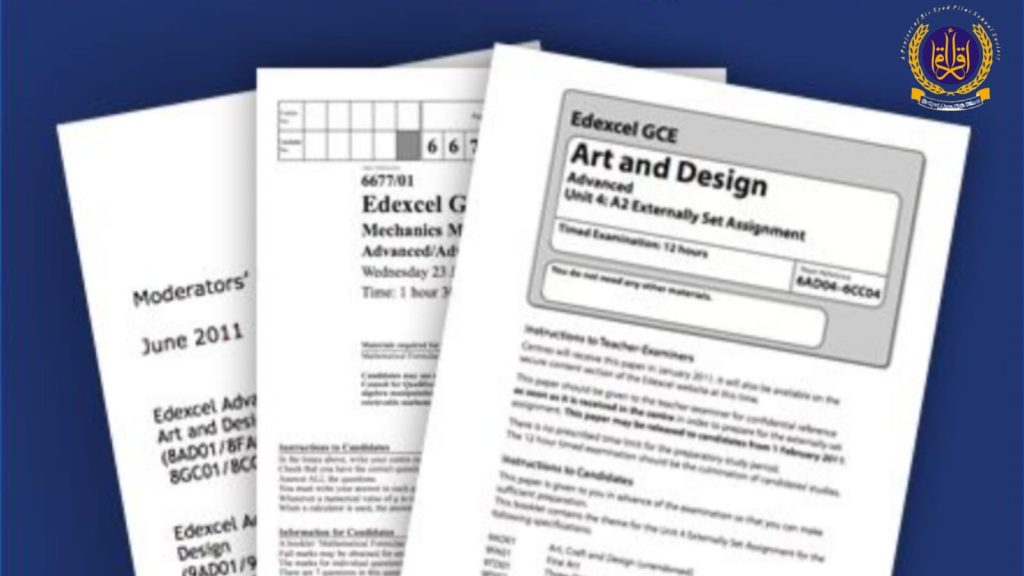
Solving past papers is a powerful way to prepare for exams. Past papers help students understand the pattern of questions and the level of detail required in answers. Practicing them under timed conditions improves speed and confidence. It also helps identify weak areas that need more attention before the final exam.
Stay Confident and Positive
Confidence and a positive attitude can make a big difference during exams. Many students lose marks because they feel nervous or doubtful about their preparation. Trusting your hard work helps you remain calm in the exam hall. When you face a difficult question, stay relaxed and think carefully. Often the answer becomes clearer when the mind is calm.
Maintain Strong Concentration
Concentration plays a major role in effective studying. Studying for many hours without focus is not productive. It is better to study in shorter sessions with full attention. For example, study for about 40 to 50 minutes and then take a short break. During study time, avoid distractions such as social media or unnecessary phone use. A quiet and organized study environment helps the brain stay focused.
Take Care of Health
Healthy habits are very important for academic success. A student who sleeps well, eats properly, and stays physically active can concentrate better. Lack of sleep can make the mind tired and reduce memory power. A balanced routine helps the brain stay fresh and improves the ability to learn and recall information during exams.
Manage Time During the Exam
Time management during the exam is very important. Start by reading all the questions carefully. Attempt the easier questions first to secure quick marks and build confidence. Keep track of time so that every question receives proper attention. Leave a few minutes at the end to review your answers and correct any mistakes.

Be Consistent in Your Effort
Consistency is one of the most important qualities of successful students. Instead of studying only during exam days, they study regularly throughout the year. Even a few focused hours daily can make a huge difference over time. Small efforts done consistently lead to great results.
Stay Calm and Focused During Exams
Prepare yourself mentally and physically before the exam. Keep all your materials ready, stay confident, and manage stress. A calm and focused mind helps you recall information better and perform at your best.